Climate Change Explained: Causes, Consequences, and the Path Forward
Climate change is transforming our planet, from rising global temperatures and melting glaciers to extreme weather and threats to wildlife. Discover its causes, impacts on people and the environment, and practical solutions we can take to protect our planet and build a more sustainable future.
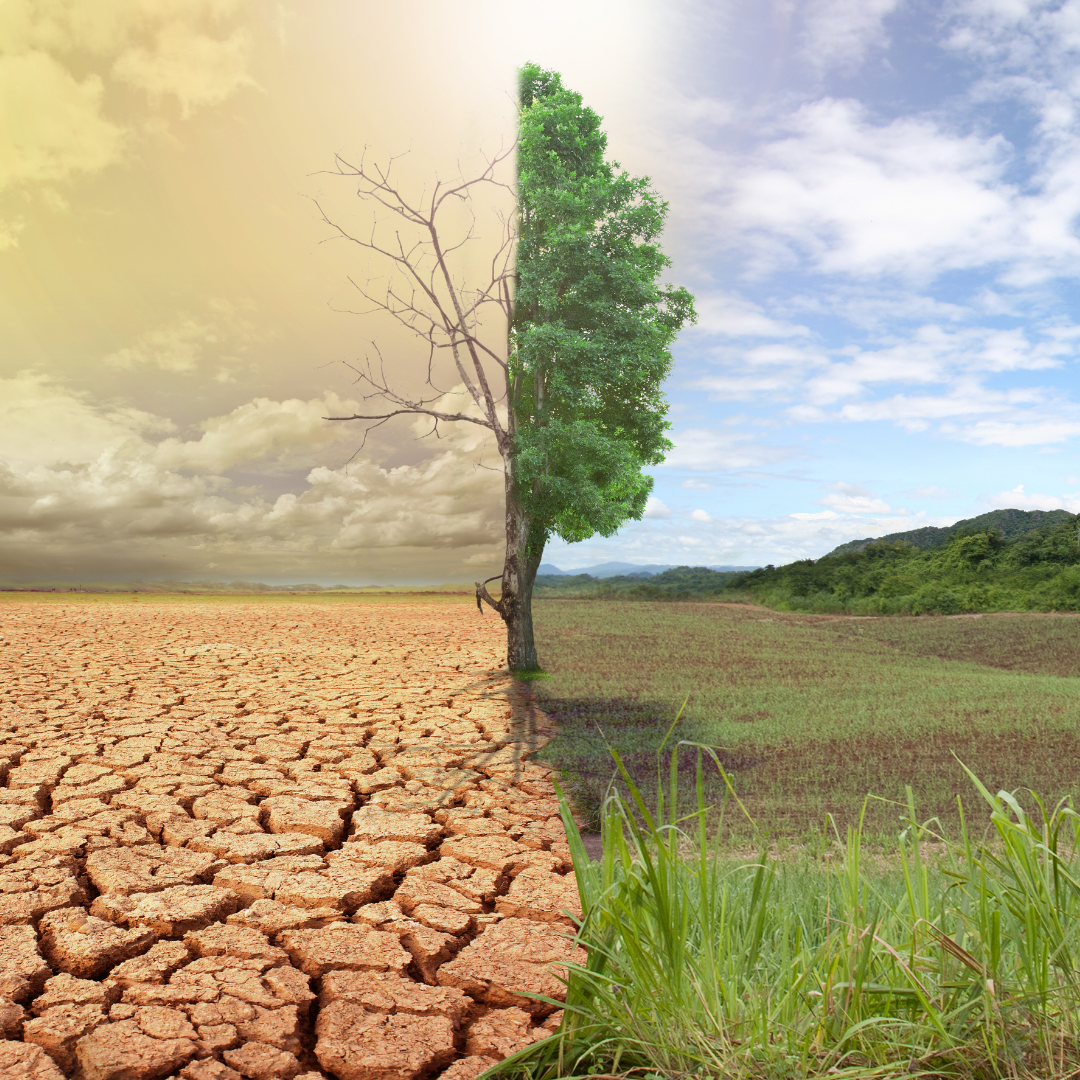
Climate change refers to long-term shifts in temperatures and weather patterns across Earth’s atmosphere, oceans, land, and ice. These changes can involve average conditions and the frequency or intensity of events such as heatwaves, droughts, heavy rainfall, and storms. Earth’s climate has always varied naturally because of factors including volcanic eruptions, changes in solar output, and gradual shifts in the planet’s orbit. Yet the pace and scale of warming observed in recent decades are unusual in the context of modern records and cannot be explained by natural variability alone. Measurements from land and oceans show a sustained rise in global temperatures.
The greenhouse effect is a natural process that helps regulate Earth’s temperature. Gases such as carbon dioxide, methane, and water vapour absorb and re-emit some of the heat radiating from the planet’s surface, keeping conditions suitable for life. Human activities, especially burning coal, oil, and gas, clearing forests, and some agricultural practices, have increased the concentration of heat-trapping gases in the atmosphere. This strengthens the greenhouse effect and is the dominant driver of the rapid warming now underway. The distinction matters: natural influences continue to affect climate, but they do not account for the recent overall trend.
Climate change matters because the climate system underpins ecosystems and the conditions in which communities and economies operate. Rising temperatures and shifting rainfall can alter habitats, put pressure on food production and freshwater supplies, and increase risks to health through heat, air pollution, and changing patterns of disease. Impacts are not evenly distributed; exposure and the ability to adapt vary among regions and households. Understanding the causes helps clarify which choices can limit further warming, while examining consequences shows why preparation is also necessary. This article explores the drivers of climate change, its effects on people and the natural world, and the responses that can reduce risks and support a more resilient future.
Earth’s climate is warming primarily because human activities have increased the concentration of greenhouse gases in the atmosphere. These gases allow much of the Sun’s energy to reach the surface, then absorb and re-emit some of the heat the planet radiates back toward space. This natural greenhouse effect keeps Earth habitable, but adding extra gases strengthens it, trapping more heat and shifting climate patterns.
Carbon dioxide is the largest contributor to human-caused warming. It is released when coal, oil, and natural gas are burned to generate electricity, power vehicles, heat buildings, and run industrial processes. Cement production and other industrial activities also produce carbon dioxide. Because the gas remains in the atmosphere for a long time, emissions accumulate and influence the climate for decades or longer.
Methane is another important greenhouse gas. It escapes during the extraction, processing, and transport of fossil fuels, and is produced by livestock digestion, manure, and decomposing organic waste in landfills. Methane persists for less time than carbon dioxide but traps substantially more heat over the near term. Reducing leaks and managing agricultural and waste sources can therefore slow warming.
Agriculture contributes through methane from animals and rice cultivation, as well as nitrous oxide released from fertilized soils. Deforestation and other land-use changes add further emissions. When forests are cleared or burned, carbon stored in trees and soils can enter the atmosphere. At the same time, fewer trees remain to absorb carbon dioxide as they grow, weakening a natural carbon sink. Draining peatlands and converting grasslands can also disturb large stores of carbon.
Personal choices, including travel, home energy use, and food consumption, contribute to emissions, and collective changes in behavior can matter. However, emissions are shaped on a much larger scale by how electricity and transport systems are built, how industries produce goods, how land is managed, and which policies guide investment. Understanding these connected sources helps explain why addressing climate change requires both individual action and broad changes to infrastructure, technology, and public decision-making.
Climate change is already altering temperatures, rainfall, oceans, and the conditions that support life. Average global temperatures are rising, making heat waves more frequent or intense in many regions. Rainfall patterns are also shifting: some places face longer or more severe droughts, while others experience heavier downpours and increased flooding. These trends are not uniform. Local geography, infrastructure, and future greenhouse gas emissions all influence which impacts occur and how severe they become.
Warming and changing weather can increase wildfire risk, especially where heat and dry conditions coincide, and can damage homes, transport networks, and essential services. Glaciers and ice sheets are losing mass, contributing to sea-level rise that raises flood risks for coastal communities. Oceans are warming and becoming more acidic as they absorb heat and carbon dioxide. Together, these changes disrupt ecosystems, shift species’ ranges, and place pressure on biodiversity, crops, and fisheries. Water supplies may also become less reliable where drought intensifies or snow and ice reserves decline.
Consequences for people include threats to food and water security, livelihoods, and health. Heat exposure can cause illness and make outdoor work dangerous; wildfire smoke and other forms of worsened air quality can aggravate respiratory and cardiovascular conditions. Floods, fires, and coastal erosion may damage infrastructure, displace households, and interrupt access to schools, health care, and jobs. Farmers, fishers, and others whose incomes depend on climate-sensitive sectors can face losses as growing conditions, marine habitats, and seasonal patterns change.
Risk is unequally distributed. Low-income communities often have fewer resources to prepare, relocate, or recover, while coastal populations face rising seas and stronger flood exposure. Indigenous peoples may experience threats to lands, cultures, and food practices, and children and older adults can be more vulnerable to heat and disrupted services. Many of these groups have contributed relatively little to cumulative emissions, yet face substantial harm. The scale of future impacts depends partly on choices about emissions and adaptation: reducing warming can limit risks, while planning and resilient services can help communities cope with changes already underway.
Climate action has two complementary aims: limiting additional warming and reducing harm from changes already underway. Mitigation addresses the causes of climate change by cutting greenhouse gas emissions. This requires expanding renewable power and other low-carbon energy, while improving efficiency in buildings, industry, and appliances. Electrifying vehicles and heating can further reduce reliance on fossil fuels when electricity is generated with fewer emissions. Rapidly reducing methane from energy production, waste, and agriculture also matters because methane traps substantial heat over the short term.
Land use and production are equally important. Protecting existing forests and restoring degraded landscapes preserve carbon stores and support biodiversity. Food systems can become lower-emission through better agricultural practices, reduced food waste, and more sustainable diets. Manufacturers can redesign products, use materials more efficiently, and adopt cleaner processes. These shifts can lower emissions while also improving air quality, conserving resources, and creating opportunities for innovation and employment.
Adaptation prepares people and ecosystems for impacts that cannot now be avoided. Heat-response plans, public cooling spaces, and resilient buildings can protect health during extreme temperatures. Flood defenses, updated drainage, and climate-ready infrastructure help limit damage from heavier rainfall and rising seas. Water conservation and climate-smart agriculture can strengthen food and water security, while restoring wetlands and other ecosystems can provide natural protection. Reliable early-warning systems give communities time to prepare for storms, fires, floods, and heatwaves.
Responsibility is shared. Governments can set standards, invest in clean energy and resilient public services, and ensure support reaches vulnerable communities. Businesses can cut operational and supply-chain emissions and prepare their facilities for climate risks. Communities can identify local priorities and strengthen emergency readiness. Individuals can save energy, choose lower-emission travel and food where practical, and support policies and organizations advancing broader change. The scale of future impacts depends on choices made now. Coordinated action can reduce risks while improving health, resilience, and quality of life.
Join the conversation